
How to Protect Your WordPress Website From Bots, Spam & Malicious Traffic in 2026
Website security in 2026 requires more than firewalls and good passwords. Bots now make up over 50% of internet traffic — and while some are benign, many are malicious.
This guide lists the most effective actions you can take to protect your WordPress site from bots and attackers in 2026. Many of these steps require some technical experience or need to be handled through your hosting company. HyperArts can consult with you to figure out which steps may be needed for your website.
When Possible, Block Malicious Bots at the Server, Not in WordPress
The most effective security happens before a bot ever reaches WordPress.
Tools include:
- NGINX rules
- OpenLiteSpeed/Apache directives
- Fail2ban
- Firewall-level filtering
- Cloud-based Firewall such at Cloudflare
Blocking at the server reduces:
- CPU spikes
- Excess PHP execution
HyperArts can work with you to determine what types of filtering your webhost supports.


Disable XML-RPC Completely (Unless You Absolutely Need It)
XML-RPC is enabled by default in WordPress, and is one of the biggest attack vectors. If you don’t use Jetpack or the remote publishing tools of WordPress, disable it.
Ways to do it:
- Server rule blocking /xmlrpc.php
- Plugin-based disabling (not preferred)
- WordPress filter disabling only pingbacks
This single step can reduce bot attacks by 30–40%.
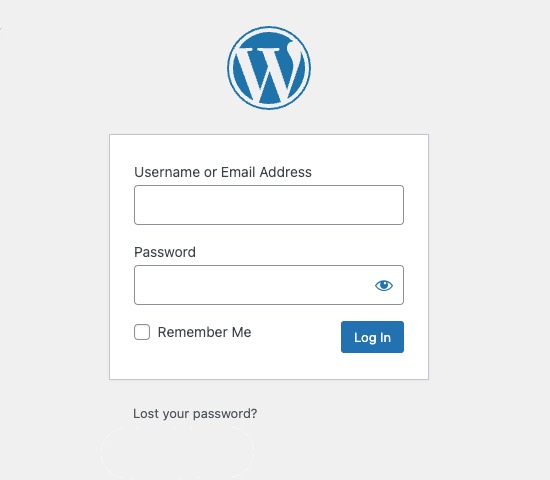
Protect wp-login.php and Limit Login Attempts
Bots constantly attempt:
- Password guessing
- Credential stuffing
- Brute-force logins
Best practices:
- Limit access to WordPress login page to your country if possible
- Hide access behind IP restrictions for staff
- Use a login attempt limiter
- Implement two-factor authentication
- Rename login URL (optional but helpful)

Filter Bots by User Agent (Safely)
You’re already familiar with this approach — regex rules for Chrome versions, Bingbot, etc.
User-agent filtering catches:
- Fake “Googlebot” traffic
- Outdated browser attacks
- Headless scraping tools
- Known malicious bot signatures
Example:
- Block Chrome < 120 (common in bots)
- Block fake Safari UA strings
- Block unknown crawlers or no-UA requests
Server-side regex is fast and effective.
HyperArts has worked with many clients to reduce the bot traffic to the sites.
Protect Contact Forms, Donation Forms & Search Forms
Bots love:
- Form submissions
- Search spam
- Fake donation attempts
- Email collection
Use:
- Honeypot fields
- Invisible reCAPTCHA v3
- Server-side validation
- Limiting by country (when appropriate)
- Form-level rate limiting
Avoid visible CAPTCHAs — they hurt accessibility.
HyperArts has been using the CleanTalk plugin to successfully limit SPAM form submissions for many clients.

Keep WordPress Updated (But with a Safety Plan)
Security patches are released frequently — but updating blindly can crash a site.
Best practice:
- Maintain a staging environment
- Update weekly (minor updates)
- Monthly plugin and theme audits
- Remove unused plugins
- Replace abandoned plugins
- Log all changes
Maintenance plans prevent emergency failures. HyperArts provides WordPress Care Packages to keep your site updated and secure.
Conclusion: Bot Protection Requires Layered Defense in 2026
There is no single plugin or firewall that protects everything.
The strongest defense includes:
- Server-level filtering
- Firewall rules
- WordPress hardening
- Form protection
- Analytics filtering
- Regular audits
- Professional maintenance
Mission-driven organizations rarely have in-house security teams — which is why a layered, proactive approach matters.
Need Professional WordPress Security Consulting?
HyperArts provides security hardening, bot filtering, firewall setup, and ongoing monitoring for WordPress sites.
If your site is facing malicious traffic or performance issues, schedule a consultation and we’ll help you secure it properly.